- SB 969 took effect July 1, 2019, for residential openers sold or installed in California.
- Violations carry a civil penalty of $1,000.
- A replacement garage door may not be connected to an opener without battery backup.
- A working opener installed before the law does not have to be removed.
What the law says
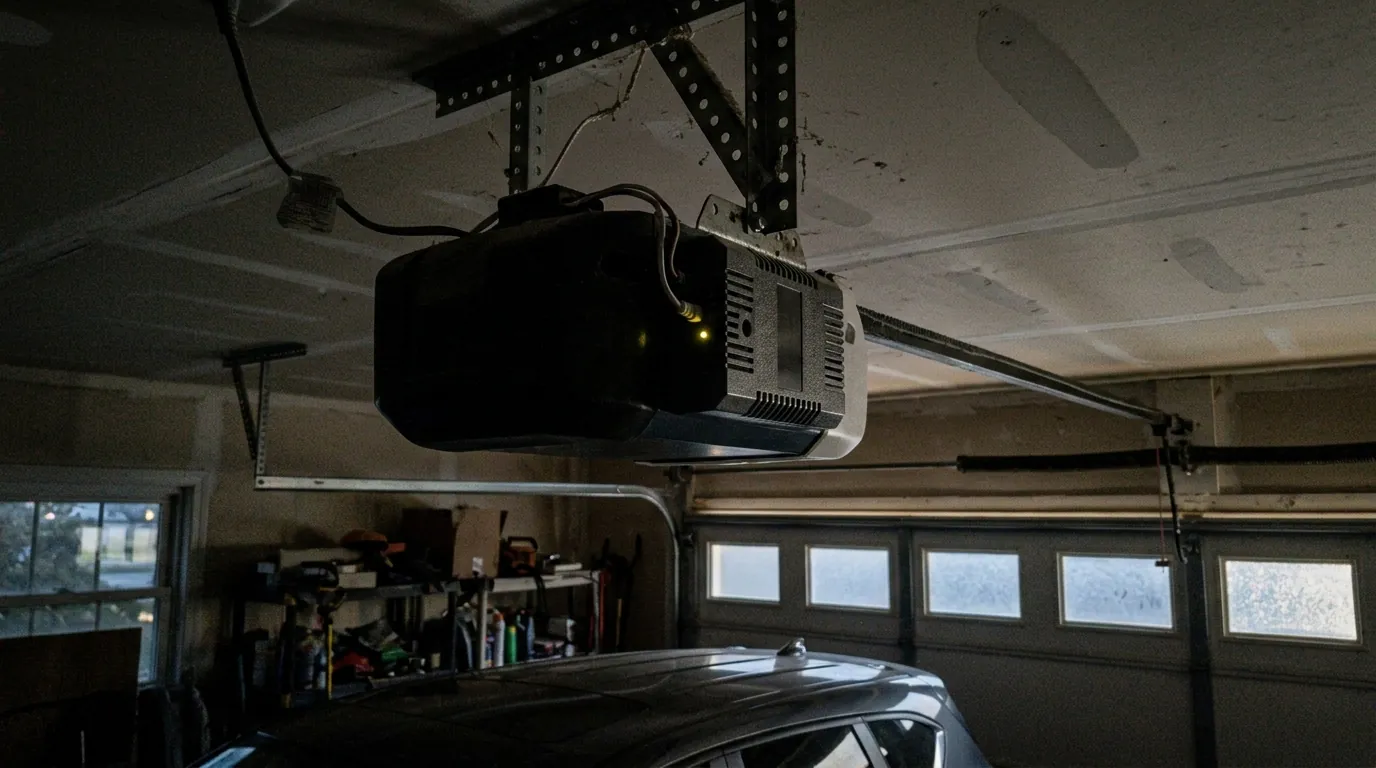
Senate Bill 969 requires that every residential garage door opener manufactured for sale, sold, offered for sale or installed in California on or after July 1, 2019, have a battery backup that works during an electrical outage. A violation carries a civil penalty of $1,000. The law also bars connecting a replacement residential garage door to an existing opener that does not meet the backup requirement.
Why it was passed
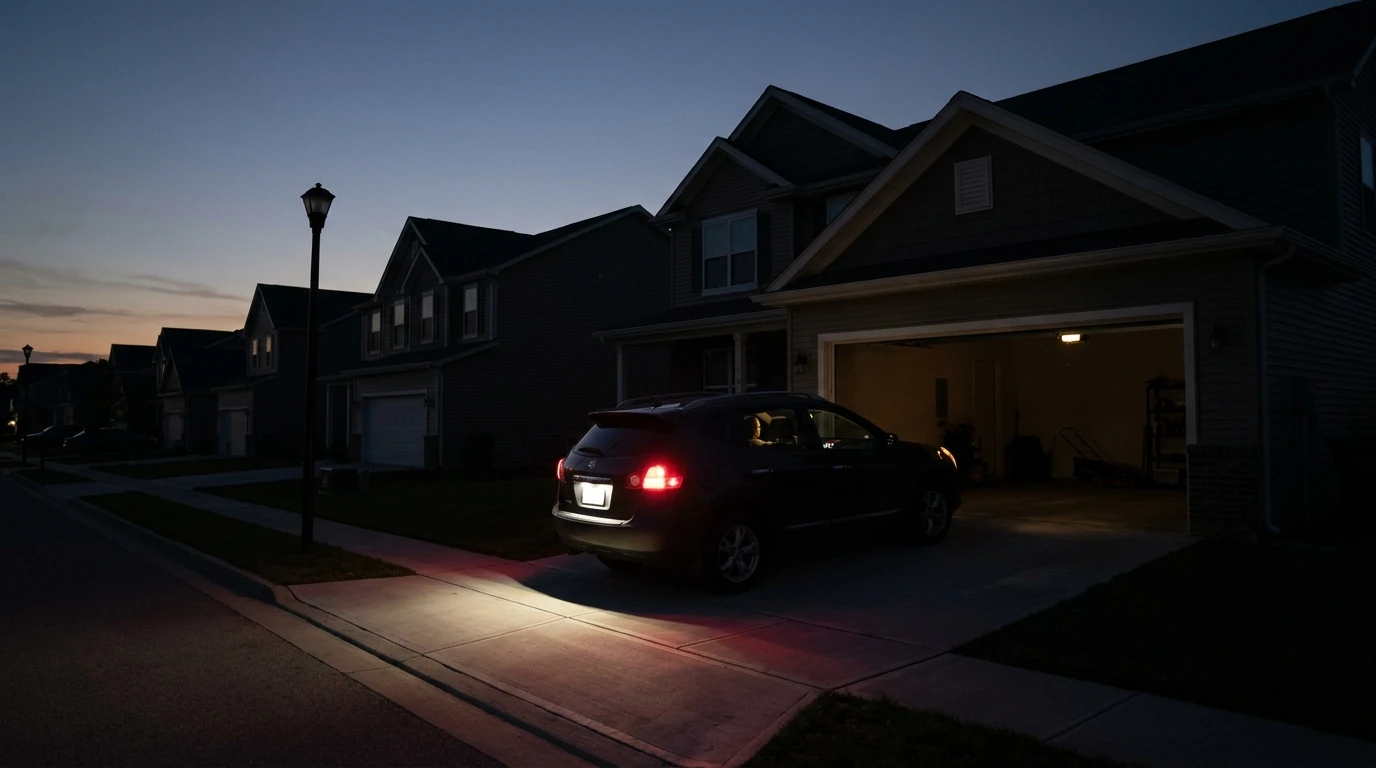
The bill followed the October 2017 wildfires in Northern California. In materials explaining the law, door manufacturer Raynor notes that at least five deaths were reported with some connection to garage door openers that would not run once the power went out. The idea is simple: in an evacuation, the door should open on the first try.
Who it affects
- Homeowners buying a new opener: every residential opener sold or installed in the state must include backup.
- Homeowners replacing a door: the new door cannot be hooked up to a non-compliant opener, so the opener may need replacing too.
- Installers and builders: they are responsible for installing compliant equipment.
- Owners of older openers: a working pre-2019 opener can stay in place until it is replaced or the door is replaced.
How to tell if your opener complies
Look for a battery compartment or backup module on the opener head, a backup indicator light, or a model label referencing battery backup. Openers installed since mid-2019 by a reputable installer should comply. If you are not sure, a tech can tell in a minute during any visit, and our battery backup service covers checks, battery swaps and replacements.
What it costs
When the Assembly analyzed the bill in 2018, it estimated a new opener with battery backup at $150 to $350. HomeAdvisor's current figures for an installed opener run $220 to $520. Replacing a worn backup battery on a compatible opener costs far less than either.
Living with a backup battery
Backup batteries wear out after a few years, and many openers chirp or blink when theirs is fading. Test it now and then by unplugging the opener and running the door. Make sure everyone in the house also knows how to use the manual release safely, with intact springs, in case both grid power and the battery are gone.
Questions readers ask
Not just because it is old. The requirement applies to openers sold or installed since July 2019, and to connecting a replacement door. A working older opener can stay.
SB 969 addresses residential garage door openers. Commercial doors follow their own standards.
Typically a few years. Many units warn you with a chirp or light when the battery is weak.
Sources
Figures on this page come from the sources below, checked on October 1, 2026. Prices are national or statewide ranges; your quote depends on the door in front of us.
- California SB 969 bill text (LegiScan)
- California Assembly analysis of SB 969
- Raynor: California residential operator battery backup
- HomeAdvisor: garage door prices and repair costs
About the author
Gilbert Dorsey edits the Door Guides for Master Overhead Doors, turning the questions callers bring to dispatch into plain-language guides. Cost figures are linked to their published sources and revisited when those sources change.