Fire-rated rolling doors close automatically when a fusible link melts or an alarm signal releases them, sealing an opening in a fire wall. NFPA 80, the standard fire officials commonly enforce, calls for fire door assemblies to be inspected and tested at least annually, and rolling fire doors to be drop-tested so they close fully. We run the tests, reset the doors, correct faults and document the results.
What the visit covers
- Drop test with the release mechanism triggered
- Closing speed and full closure checked
- Fusible links and release devices inspected and replaced
- Governors, springs and guides adjusted
- Doors reset to operating position after testing
- Results documented for your records
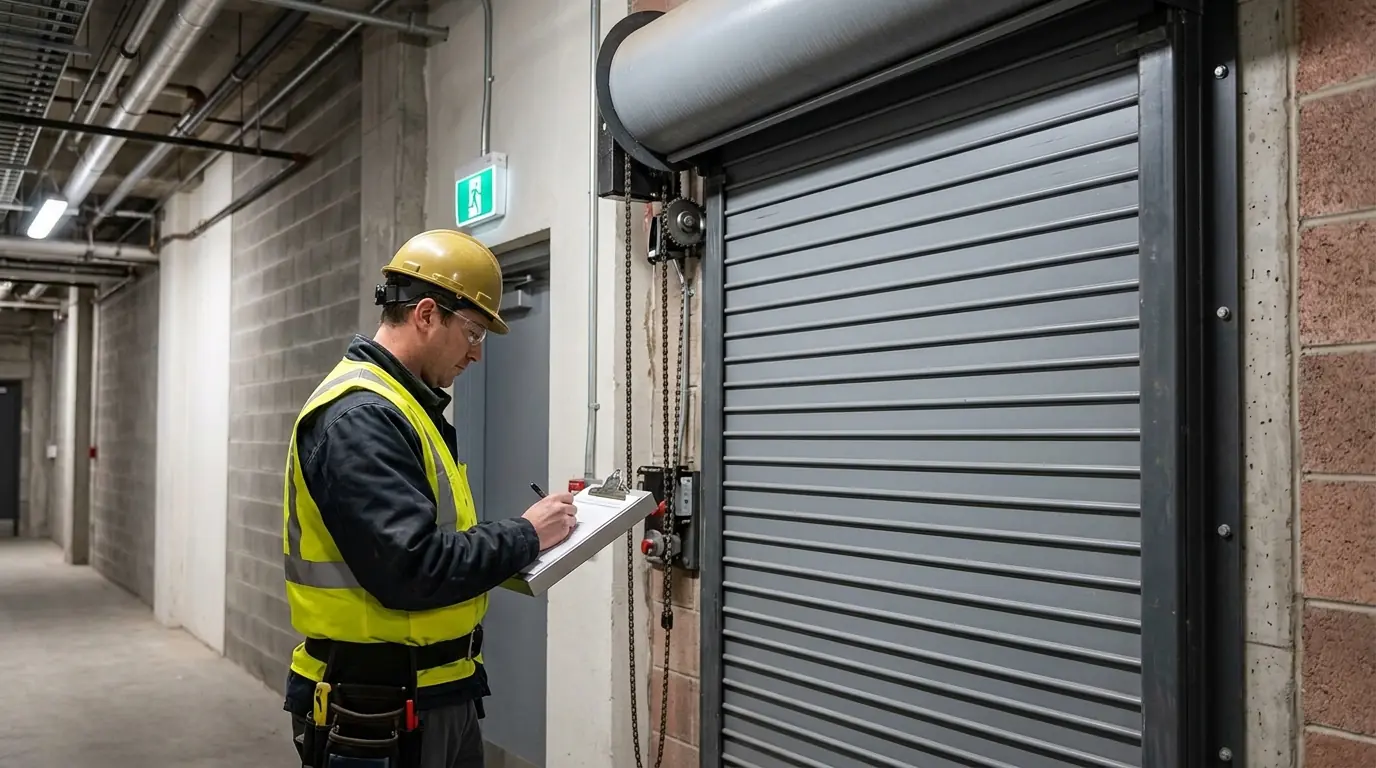
Annual drop testing
A drop test releases the door the way a fire would and confirms it closes fully, at a controlled speed, without binding. We note the closing time and any issues, correct what can be corrected on the spot, and leave you with the results.
Fusible link and reset service
Fusible links melt at a set temperature to release the door. Links that are painted, corroded or of the wrong rating cannot be trusted. We replace links and release devices as needed and reset the door correctly after testing or an event.
Code-driven replacements
Some fire doors are too damaged, modified or obsolete to pass. When repair cannot restore compliance, we quote a replacement assembly with the correct rating for the opening.
On the job
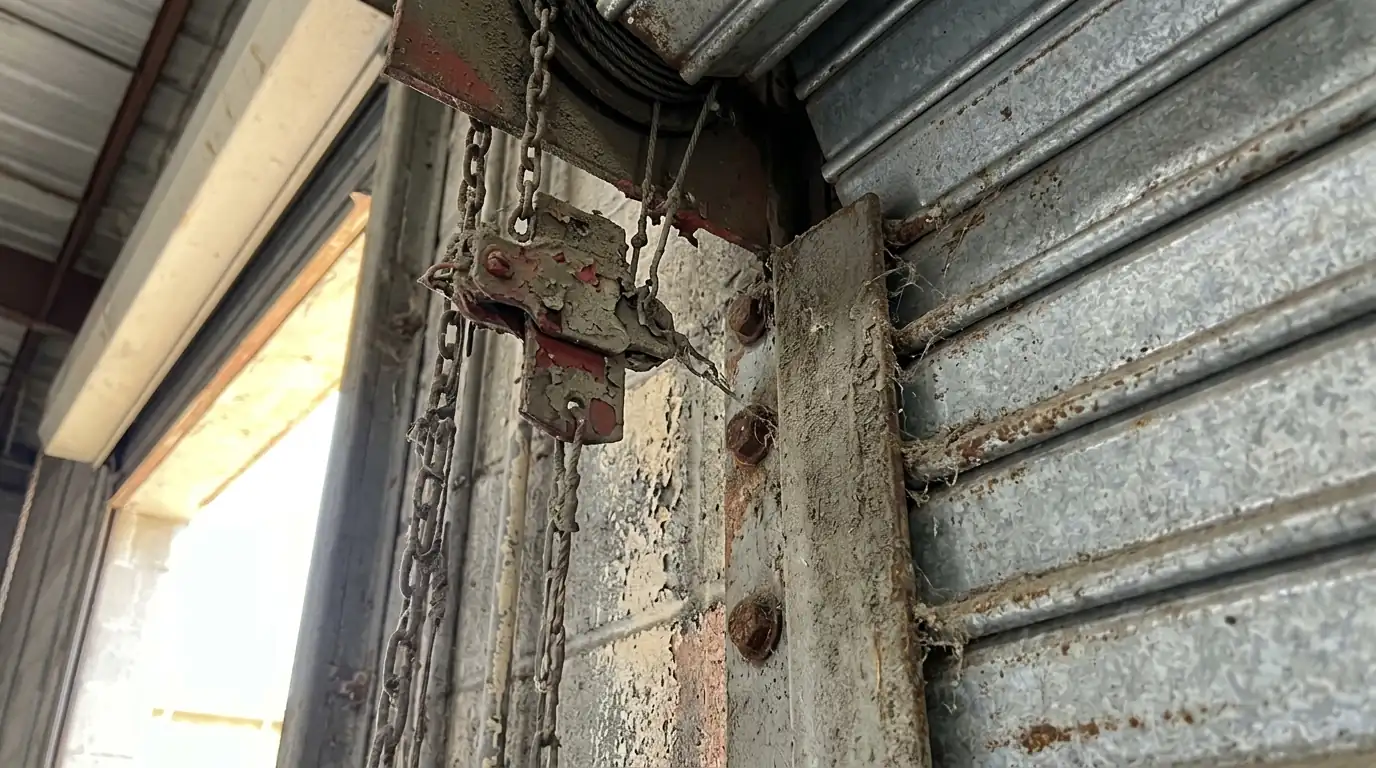
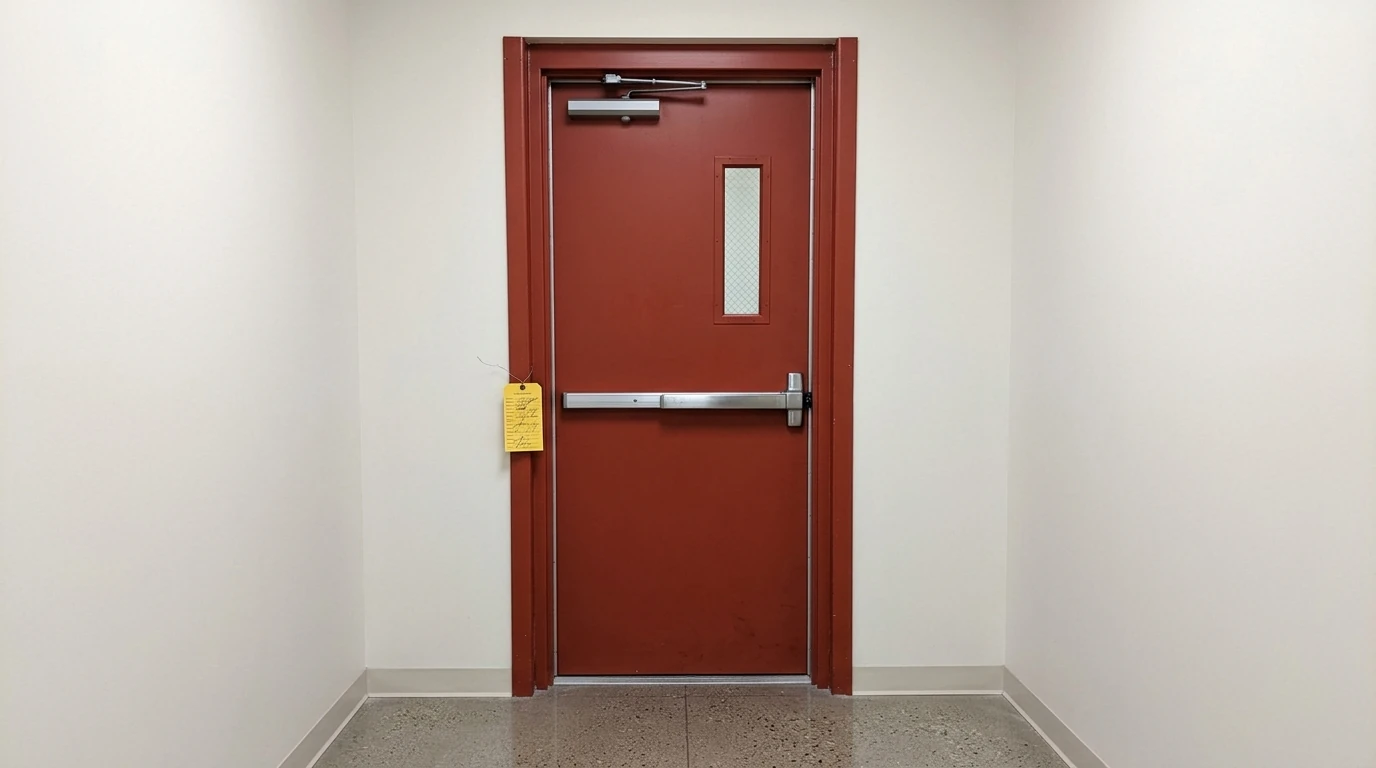
Fire doors across San Diego's industrial stock
San Diego County has around 213 million square feet of industrial space, plus offices, retail and mixed-use buildings, and many contain rolling fire doors in fire walls, stairwells and between occupancies. Tenants change often in a market with roughly 9.4 percent industrial vacancy, and a door that was tested under one occupant can sit untested through the next. A new tenancy is a good moment to check the fire doors' records.
How fire door testing is priced
Testing is priced per door, and repairs or replacement parts are quoted after the test. The factors:
Questions callers ask about this job
NFPA 80 calls for inspection and testing at least annually. Your fire marshal or insurer may also request documentation.
The door is released as it would be in a fire to confirm it closes fully and at an acceptable speed, then reset.
We correct what we can on the spot, such as replacing links or adjusting the governor, and quote any larger repairs or replacement.
Yes. Paint can change how a link responds to heat. Painted or corroded links should be replaced.
Our focus is rolling fire doors and related overhead assemblies. We can advise on other doors when we are on site.