Opener installation matches a drive type to your door, ceiling and noise tolerance, mounts it to solid framing, wires the safety eyes and wall control, programs remotes and phone access, and sets force and travel limits. It finishes with a reverse-on-contact test. The door is balanced first, because a new opener hung on a door with tired springs inherits the problem that killed the old one.
What the visit covers
- Door balance and spring condition checked before mounting anything
- Old opener, rail and brackets removed and hauled away
- New unit mounted to framing, not drywall
- Photo eyes installed and aligned at the correct height
- Remotes, keypad and smartphone access programmed with you
- Force, travel and reverse settings tested and demonstrated
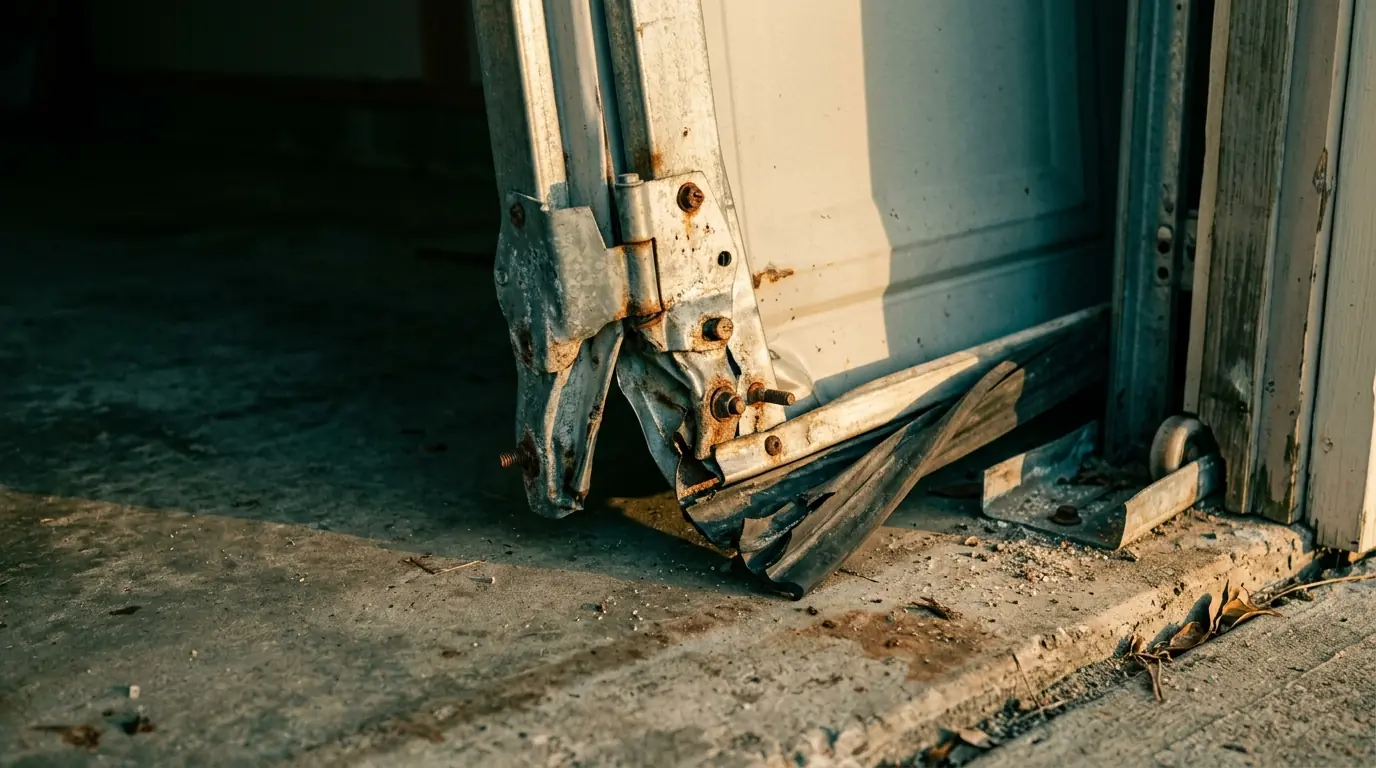
Belt drive and chain drive
Chain drives are the durable, budget-friendly workhorse and a fair choice for a detached garage. Belt drives run the same kind of rail with a reinforced rubber belt and are dramatically quieter, which matters when a bedroom sits over the garage, as it does in plenty of two-story tract homes. Both lift standard residential doors comfortably; the choice is mostly about sound and budget.
Wall-mount jackshaft openers
Jackshaft units mount on the wall beside the door and turn the torsion shaft directly, so there is no rail across the ceiling. That frees the overhead for storage racks or a high-lift track, suits garages with low or crowded ceilings, and runs very quietly. They need a torsion spring system and enough side clearance, which we confirm on the first visit.
Smart openers with phone control
Most current openers can open, close and report status from a phone, send an alert when the door is left up, and grant one-time access for a delivery or a dog walker. We set up the app with you before leaving, so it works the day it goes in rather than becoming a weekend project.
On the job
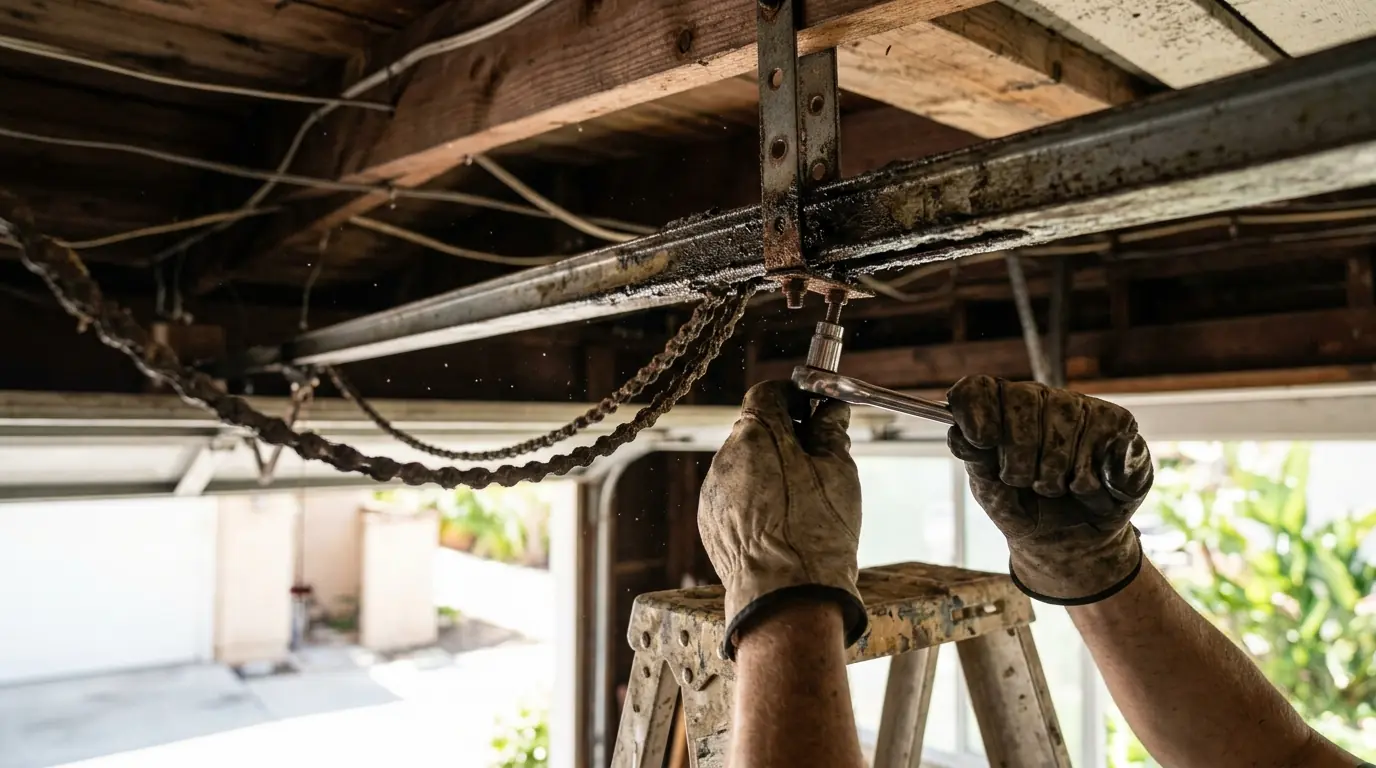
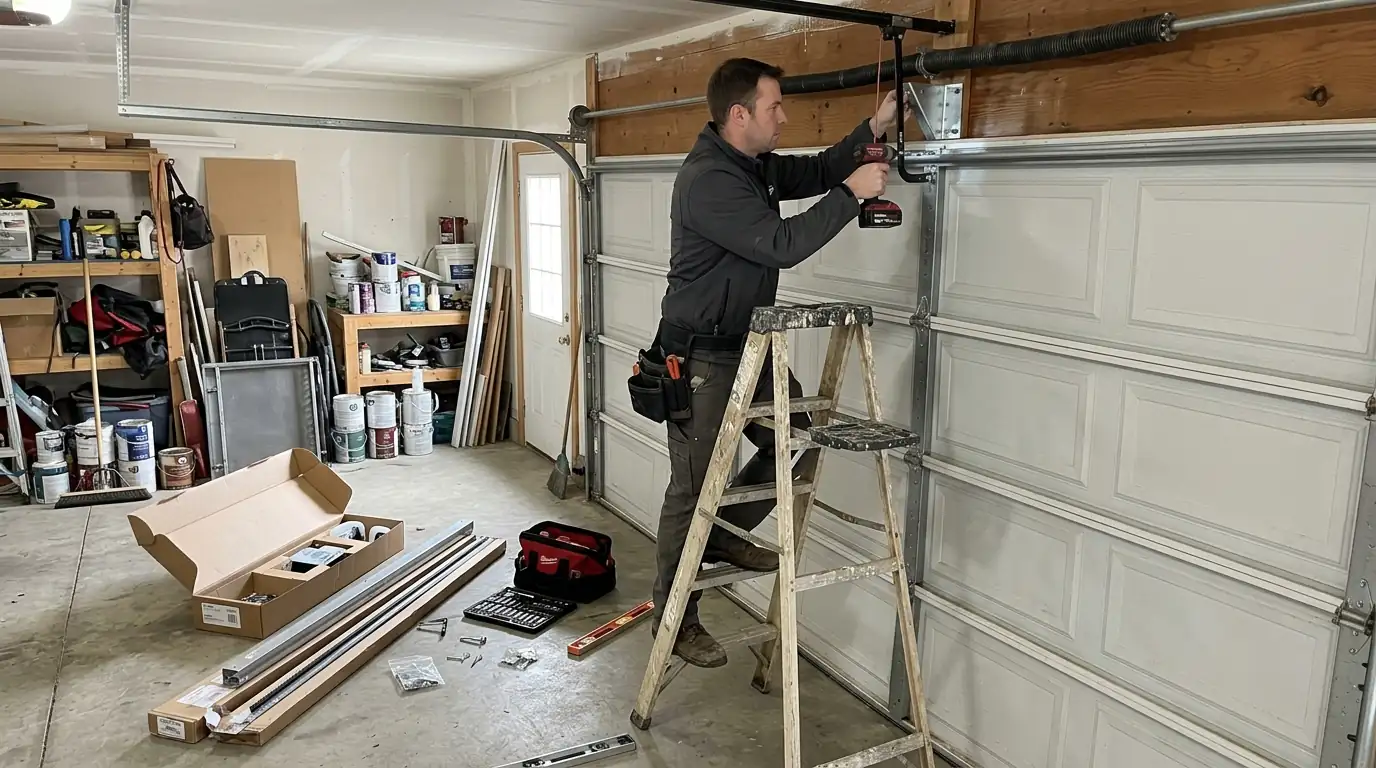
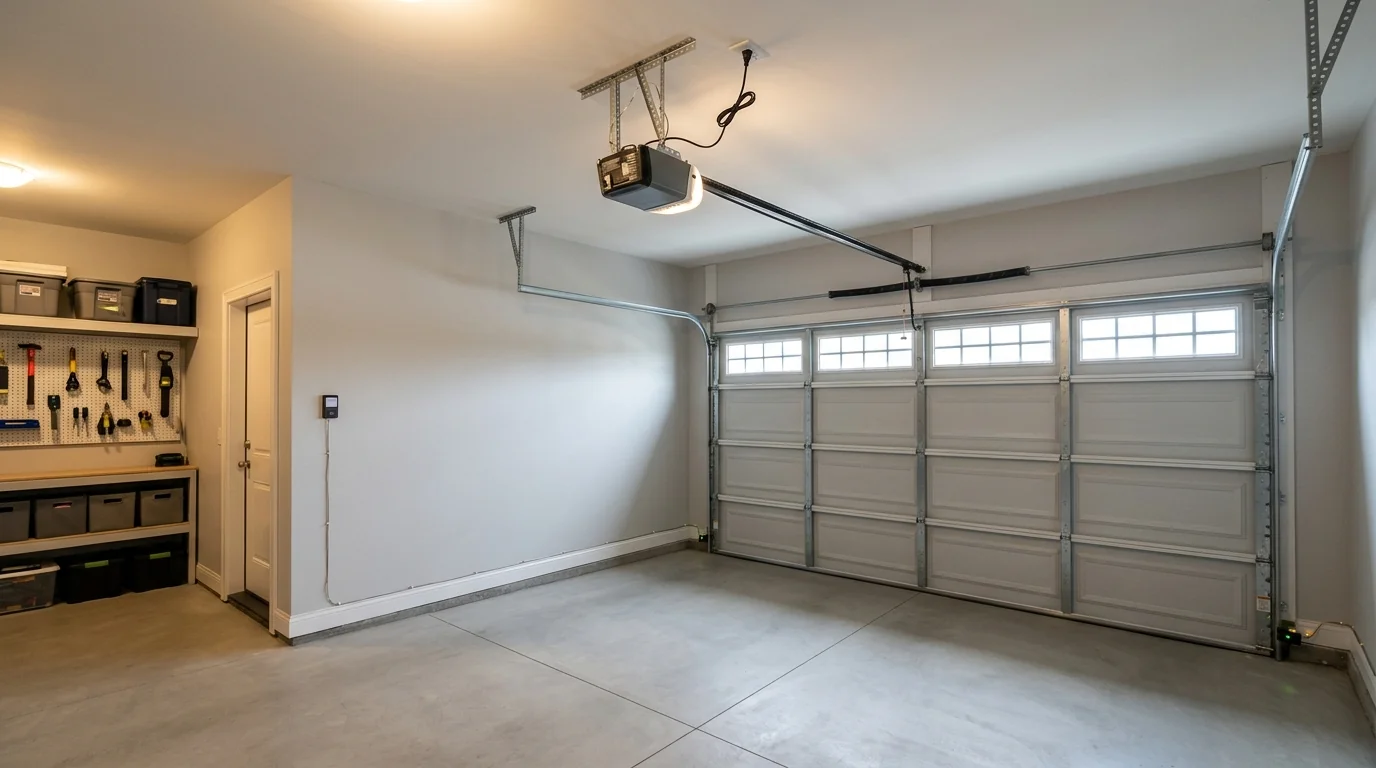
California's rule about openers
California's SB 969 has required battery backup on every residential garage door opener sold or installed in the state since July 1, 2019, with a $1,000 civil penalty for violations. That makes outage-ready power standard on every install we do, not an upsell. It also means a garage with an older, non-compliant opener faces a decision the first time the door itself is replaced, because the law bars connecting a new door to an opener without backup. A new install settles the question for good.
What a new opener costs installed
HomeAdvisor's 2026 data puts opener installation between $220 and $520 nationally, with the unit itself making up much of that spread. Quiet belt drives, wall-mount jackshaft units and premium smart features push toward and past the top of the band; a basic chain drive on a standard door sits near the bottom. What sets the final figure:
Questions callers ask about this job
Belt, nine times out of ten. It costs a little more and is far quieter through the ceiling of a bedroom or living room. Chain is perfectly fine in a detached garage or a workshop.
Yes, in California. Every residential opener sold or installed since July 2019 must have it. Beyond legality, it is the feature you are grateful for the first time the power drops with the car inside.
Usually two to three hours for a ceiling unit replacing an old one, including removal, programming and testing. Wall-mount units and first-time installs that need new wiring can run longer.
Generally not. Rails and sensors are matched to the opener's model and safety system, and mixing generations creates exactly the intermittent faults people call us to escape.
Only part of it. Openers run quietly when the door is balanced and riding good rollers. We check both before mounting, and a roller or spring fix in the same visit is what makes the new opener sound new.