A battery backup upgrade makes sure your door opens without grid power. On many openers built since the law took effect, that means testing and replacing an aging backup battery. On older units that never had the feature, the realistic path is a new compliant opener. We check which you have, test runtime with the door actually moving, and tell you which route fits.
What the visit covers
- Opener identified and checked for built-in backup capability
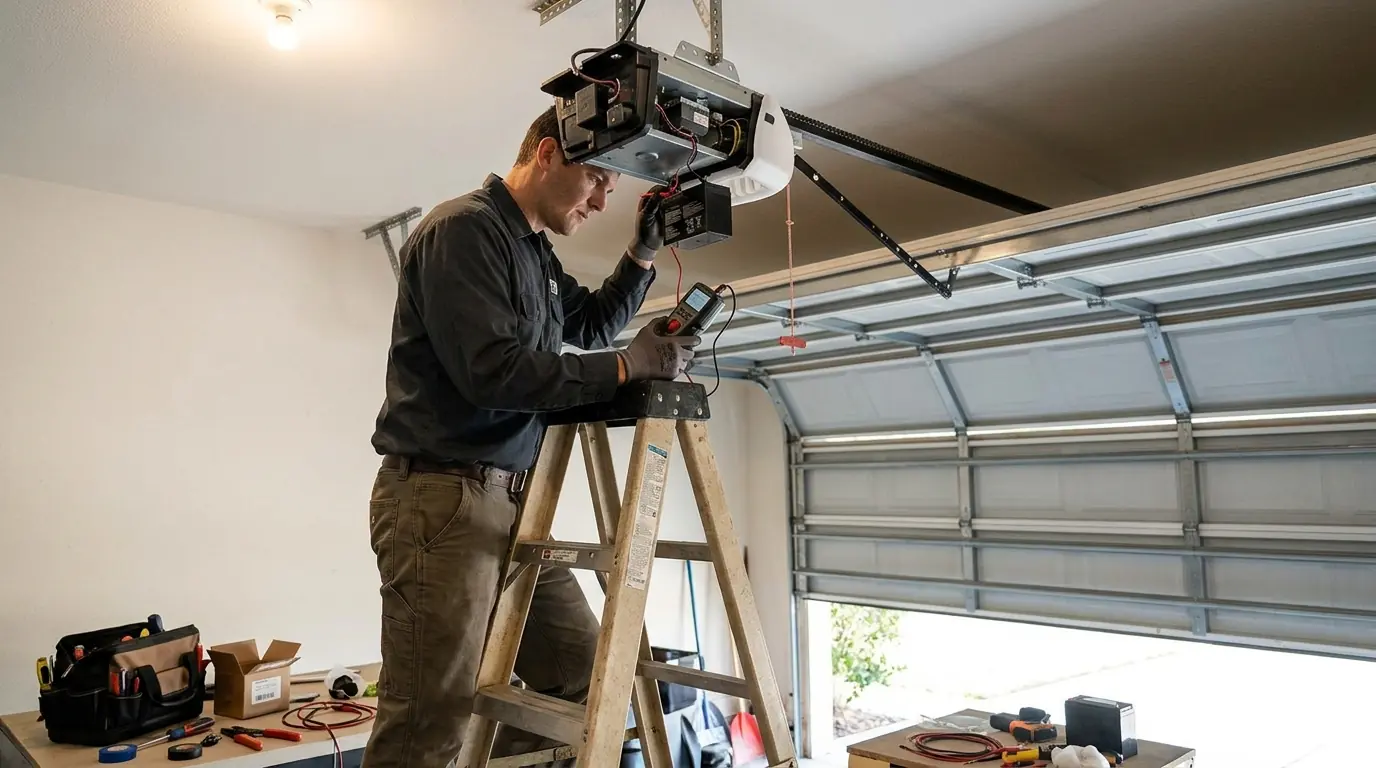
- Existing backup batteries load-tested, not just voltage-read
- Worn batteries replaced with the correct model packs
- Non-compliant units replaced with outage-ready openers
- Manual release demonstrated so everyone in the house knows it
- Door balance confirmed, because battery runtime depends on it
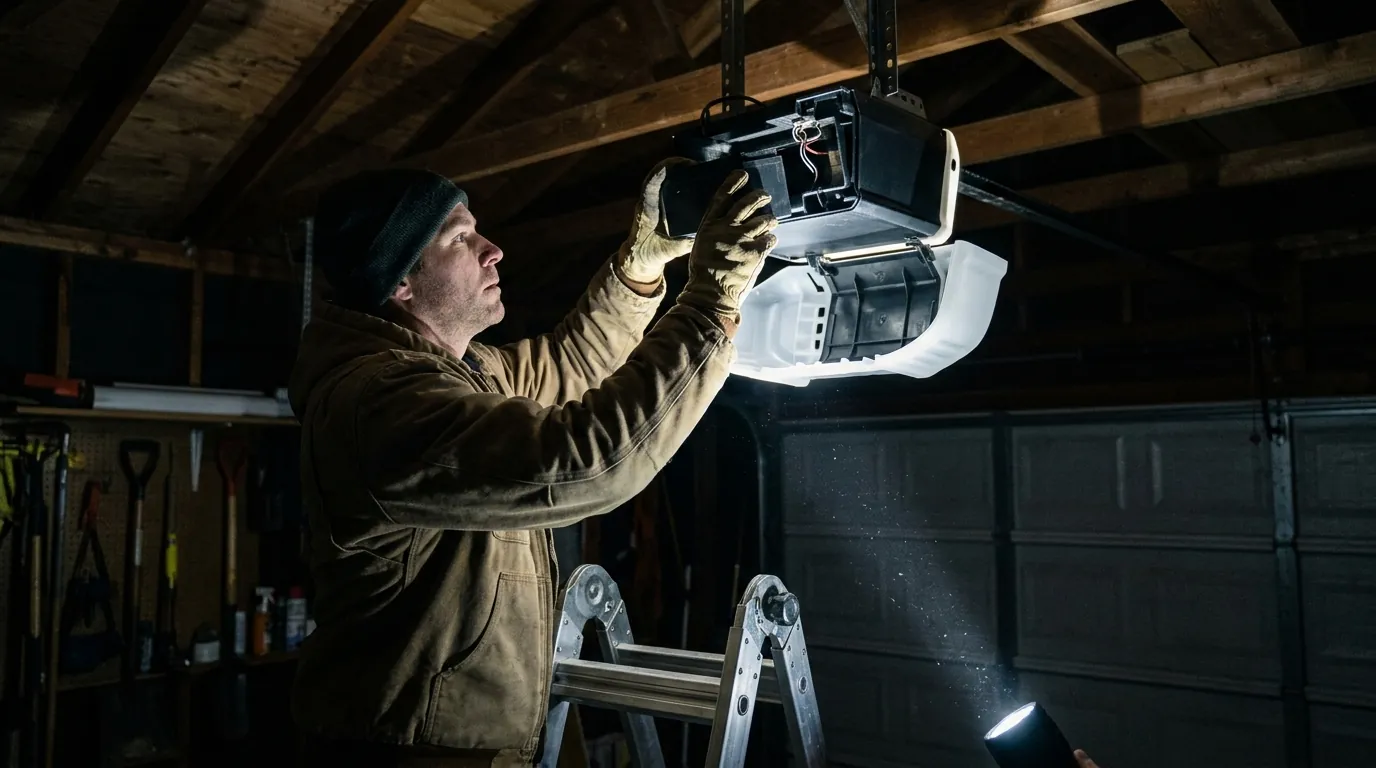
SB 969 compliance checks
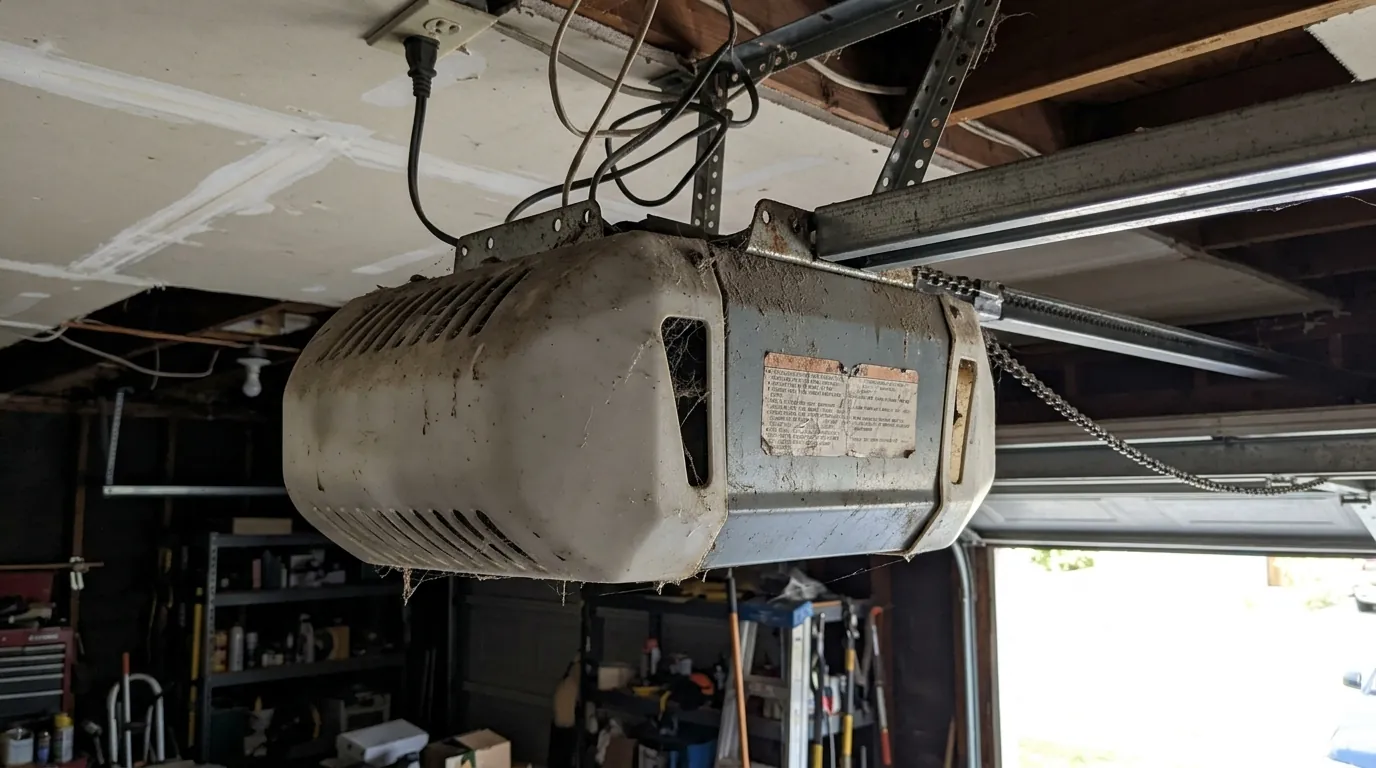
Not sure whether your opener qualifies? The model label, a backup indicator light or a battery compartment usually answers it in a minute. We check and tell you plainly where you stand. Homeowners are not required to rip out a working pre-2019 opener, but the law reaches you the moment you replace the garage door itself, so knowing in advance avoids a surprise on install day.
Battery swaps on compatible openers
Backup batteries are consumables. After a few years most hold too little charge to cycle a door more than once or twice, and many openers chirp or blink when theirs is fading. A swap with the correct pack restores the protection, and we load-test the new one with the door actually moving rather than trusting a meter reading.
Outage-ready full replacements
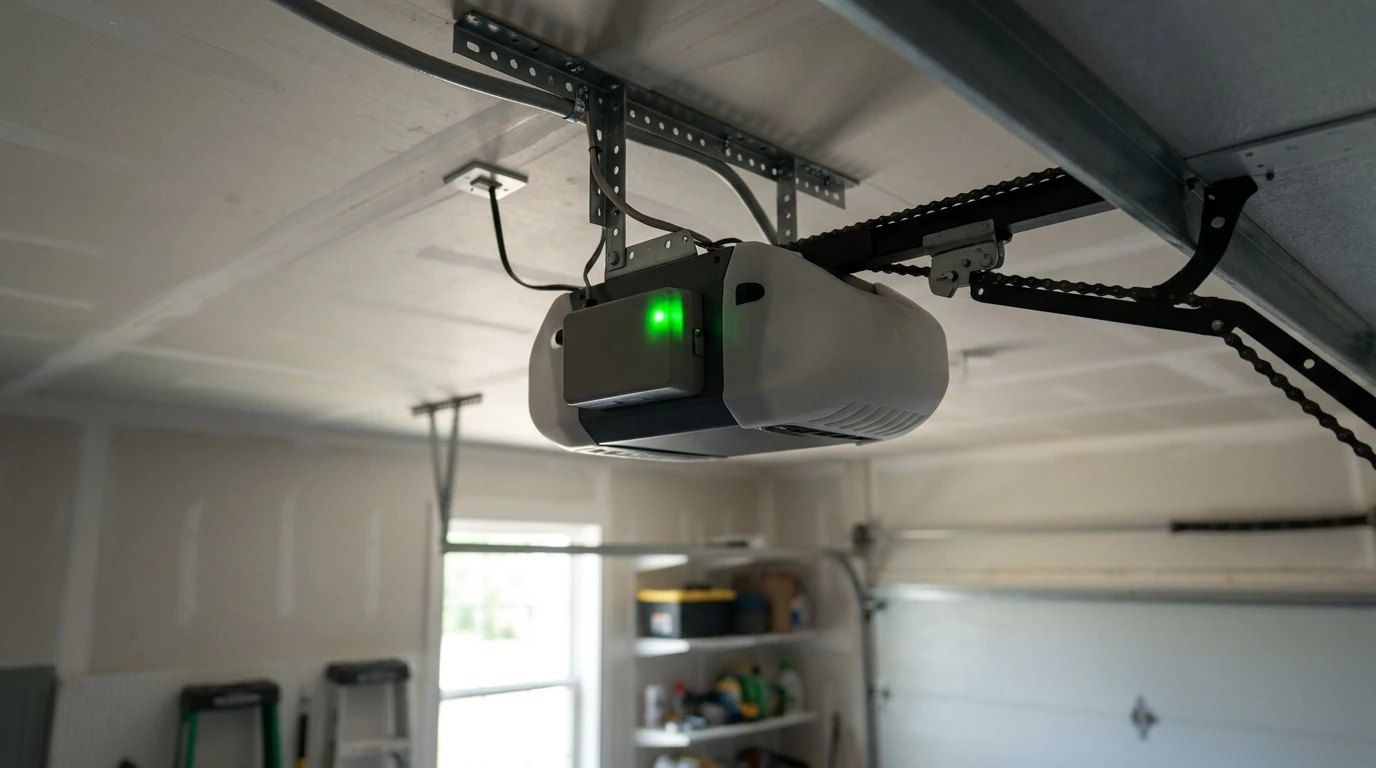
If the opener has no backup provision, or is old enough that a battery accessory does not exist for it, a new compliant unit is the clean fix. It brings current safety reversing, a quieter drive and phone control along with the backup, and the old unit leaves on the truck.
On the job
Why this law was written
SB 969 followed the 2017 California wildfires, when at least five deaths were reported with some connection to garage door openers that would not run without power. Since July 1, 2019, every residential opener sold or installed in the state must carry battery backup, with a $1,000 penalty per violation, and a replacement door may not be connected to an opener that lacks it. In a region that knows fire season well, a tested backup is less a gadget than part of the household's evacuation plan.
What a backup upgrade costs
When lawmakers analyzed SB 969 in 2018, they estimated a new opener with battery backup at $150 to $350, and HomeAdvisor's current installed range for openers runs $220 to $520. A battery swap on a compatible unit costs far less than either. Which side of that line you land on depends on:
Questions callers ask about this job
Not just because it is old. The law governs openers sold or installed since July 2019, and a working older unit can stay. The catch: if you replace the garage door, the new door cannot be connected to an opener without backup, so the two decisions tend to arrive together.
A few years is typical before capacity fades, and many openers announce it with a chirp or a blinking light. Because the battery only matters during an outage, testing it before you need it is the sensible habit.
It varies by opener, battery and how well the door is balanced. A healthy pack on a balanced door handles a normal day of coming and going; a tired battery on a heavy, unbalanced door may manage a single cycle. That is why we test under load.
Yes. Every opener has a manual release, usually a red cord, and it works as intended only when the springs are intact and the door is balanced. We show everyone in the house how to use it safely.
That is exactly why the law exists. During the 2017 wildfires, doors that would not open without power trapped or delayed people. A tested backup means the door opens on the first try when it counts.